
Our Blog

Eating with Braces: Braces-friendly snack recipe

November 2nd, 2022

At Palladium Orthodontics, Dr. Razavi and our staff know that eating with braces can be tricky. You want to avoid damaging the bands, brackets, and wires, since any damage can delay the progress of your treatment. After adjustments, your mouth may also feel sore, which will make eating more of a chore than a pleasure.

The good news is you do not have to avoid all of your favorite foods; there are ways you can still enjoy them. Try some of these ideas and recipes for great snacks that are friendly to your braces.

Fruits and Vegetables

You still need to eat fruits and vegetable for the healthy nutrients. The trick is to cut harder items into small pieces that you can chew easily with your back teeth. Canned fruits are also a great choice, but select fruits packed in water to avoid the heavy, sugary syrups. It’s a good idea to avoid excess sugar with braces, since sugar build-up around your braces can lead to plaque formation.

Single-serving packages are available to make your snack portable and convenient. Enjoy vegetables with a small amount of a healthy dip. Hummus or yogurt can be used for flavor without adding unnecessary fat or calories.

Banana and Honey Smoothie

Smoothies are a healthy treat, and you can create these drinks with your favorite ingredients. You can use a variety of yogurt types for your smoothie: regular, low or non-fat, and Greek are all great choices.  Here’s one of our favorite smoothie recipes:

  • 6 ounces of your choice of yogurt
  • 1 or 2 teaspoons of honey
  • 1 ripe banana
  • 6 ounces milk

Chop the banana into smaller pieces and put all your ingredients into a blender. Blend on low until everything is mixed and then blend on high for about 20 seconds to make your smoothie fluffy.

The great thing about this recipe is that you can substitute just about any small or cut-up fruit for the banana. Try blackberries, raspberries, or peaches for variety. Try to avoid fruits with small seeds; strawberries can leave bits stuck in your braces. You can even make a smoothie with peanut butter and jelly!

Please ask our team if you have any concerns regarding the foods you can safely eat while wearing braces.
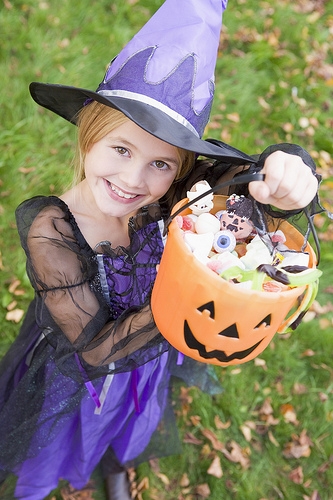
Halloween Fun with Braces

October 26th, 2022

Halloween is a favorite holiday among children due to the festive games, imaginative costumes, and candy. Modern celebrations stem from a combination of traditions from Pagan and Christian traditions throughout the centuries. The original holiday was called Samhain and derived from the ancient Druids of Ireland. In their belief system, November 1st marked the beginning of winter, and Pagans began their Samhain celebrations at sunset on October 31st.

Modern Celebrations of Halloween

Children and adults love dressing up for Halloween, and this tradition comes from the ancient belief in spirits. From sunset on October 31st until sunrise on November 1st, the souls of the dead entered the physical world. Some spirits were benevolent and wanted only to cross over to the afterlife while others harbored malicious intents of revenge and trickery. Pagans wore masks and disguised themselves so that the malevolent souls would mistake them as fellow spirits.

Families left food and ale outside of their doors to appease the spirits. With the rise of Christianity in Europe, the church encouraged its members to offer food and money to beggars. In exchange, the beggars would agree to pray for the family's deceased loved ones. Eventually these traditions led to the development of today's customs where children dressed up and received candy from their neighbors while circling the community.

Teeth-Friendly Treats

With all of the excitement and free candy on Halloween, it is easy to get carried away on a sugar high. Parents warn their children not to eat too many pieces in one night to avoid tummy aches and cavities. Our team at Palladium Orthodontics especially wants to remind children with braces to be extra cautious about the treats they eat because some varieties can get stuck in between the brackets and damage the devices. Sticky candy, such as caramels, fruit chews, and gum should be avoided when wearing braces. Children can trade with their friends and siblings to get only safe candies. The following list offers some alternative treats that children with braces can safely enjoy.

  • Solid chocolate, including milk, white, or dark
  • Nougat-filled candy bars, such as Three Musketeers
  • Candy-coated chocolates like M&Ms
  • Powdery candy, such as Sweet Tarts or Pixie Stix
  • Mint-flavored candy
  • Malted milk balls
  • Cookies
  • Peanut butter crackers or cookies

When in doubt, children should ask their parents or Dr. Razavi if a specific candy is safe. Halloween is a fun holiday for children, and having braces does not have to take away any of the excitement from tasty treats.

What is a palatal expander?

October 19th, 2022

Orthodontists like Dr. Razavi recommend a first orthodontic visit and evaluation for your child around the age of seven. We will evaluate your child’s jaw and facial development and make sure that there is enough room in the mouth for the permanent teeth when they arrive. One of the recommendations we might make for early treatment is the use of a palatal expander. If you are unfamiliar with this device, let’s take a closer look at why it’s necessary and what exactly it does.

Why do we recommend the palatal expander?

There are two dental arches, composed of the upper and the lower teeth, in your child’s mouth. This arch-shaped design is meant to accommodate all the permanent teeth. Further, when the upper and lower teeth meet, they should result in a healthy occlusion, or bite.

Sometimes, the upper dental arch is simply too small to accommodate all of your child’s permanent teeth, leading to crowding, extractions, and impacted teeth. Also, a too-narrow arch can result in a crossbite, where some of the upper teeth bite inside the lower ones. An improper bite can lead to problems such as TMJ (temporomandibular joint) disorder, improper wear and stress on teeth, certain speech difficulties, and other potential complications. The palatal expander was designed to prevent these problems from occurring.

What is a palatal expander and how does it work?

The expander itself is a device that increases the size of the upper dental arch. Before your child’s bones are finished growing, the space between the two bones of the upper palate is filled with cartilage. This tissue is flexible when children are young, but gradually fuses solidly into place by the time they are finished growing (usually in the early to mid-teens). If the arch can be widened to accommodate the emerging permanent teeth, or to reduce malocclusions, this improvement can also affect the need for, and length of, future dental work.

There are several types of expanders available at our Kanata, Ontario office. These are custom-made appliances, commonly attached between the upper teeth on each side of the jaw. The two halves of the device are connected with a screw-type mechanism that can be adjusted to widen the upper palate and dental arch with gentle pressure. This is a gradual process, with small adjustments usually made once or twice a day to slowly move the bones further apart. As weeks go by, you will notice a successful change in the spacing of the teeth. Your child might even develop a gap in the front teeth, which is normal and will generally close on its own.

If you would like more detailed information, talk to Dr. Razavi about the palate expander. We can tell you what to expect from this treatment if we think it is best for your child’s unique needs, and how to make it as easy as possible for your child. Our goal is to provide your child with the healthiest teeth and bite possible, always making use of treatments that are both gentle and effective.

Proper Diet while Undergoing Orthodontics

October 12th, 2022

Many people undergo orthodontic treatment during childhood, adolescence, and even into adulthood. Wearing orthodontic appliances like braces is sure to produce a beautiful smile. Though orthodontic treatments at Palladium Orthodontics are designed to accommodate your lifestyle, chances are you will need to make some dietary modifications to prevent damage to your braces and prolong orthodontic treatment.

The First Few Days with Braces

The first few days wearing braces may be the most restrictive. During this time, the adhesive is still curing, which means you will need to consume only soft foods. This probably will not be a problem, however, as your teeth may be tender or sensitive while adjusting to the appliances.

Orthodontic Dietary Restrictions

You can eat most foods normally the way you did without braces. However, some foods can damage orthodontic appliances or cause them to come loose. Examples of foods you will need to avoid include:

  • Chewy foods like taffy, chewing gum, beef jerky, and bagels
  • Hard foods like peanuts, ice chips, and hard candy
  • Crunchy foods like chips, apples, and carrots

How to Continue to Eat the Foods You Love Most

Keep in mind that you may still be able to enjoy some of the foods you love by making certain modifications to the way you eat them. For example, steaming or roasting carrots makes them softer and easier to consume with braces. Similarly, you can remove corn from the cob, or cut up produce like apples and pears to avoid biting into them. Other tips include grinding nuts into your yogurt or dipping hard cookies into milk to soften them. If you must eat hard candies, simply suck on them instead of biting into them.

If you have any question whether a food is safe to eat during your treatment with Palladium Orthodontics, we encourage you to err on the side of caution. Of course, you can always contact our Kanata, Ontario office with any questions you have about your diet and the foods that should be avoided during treatment. By following our dietary instructions and protecting your orthodontic appliances from damage, you will be back to chewing gum in no time.